The Secret to a Stress-Free Wedding Photography Timeline
Planning a wedding photography timeline can be a lot, like A LOT.
You start with “ceremony at 4:30” and suddenly you’re calculating travel time, sunset, family photos, and whether Aunt Nancy will wander off during cocktail hour.
Timeline stress is normal. Truly.
But here’s the part most couples don’t realize: a good wedding photography timeline doesn’t control your day — it protects it.
When it’s done well, it creates space for emotion, for deep breaths, for moments that unfold naturally instead of feeling scheduled to the minute.
If you’re dreaming of a stress-free wedding day that feels calm instead of chaotic, this is for you.
Why Your Wedding Photography Timeline Affects More Than Just Photos
Your wedding day timeline doesn’t just impact how many portraits you get.
It affects:
Your stress levels
Your guests’ experience
The emotional tone of the entire day
When timelines are rushed, people feel it.
Hair and makeup runs late. Family photos feel chaotic. The ceremony starts with everyone slightly flustered. You’re watching the clock instead of being present.
And photos reflect that energy.
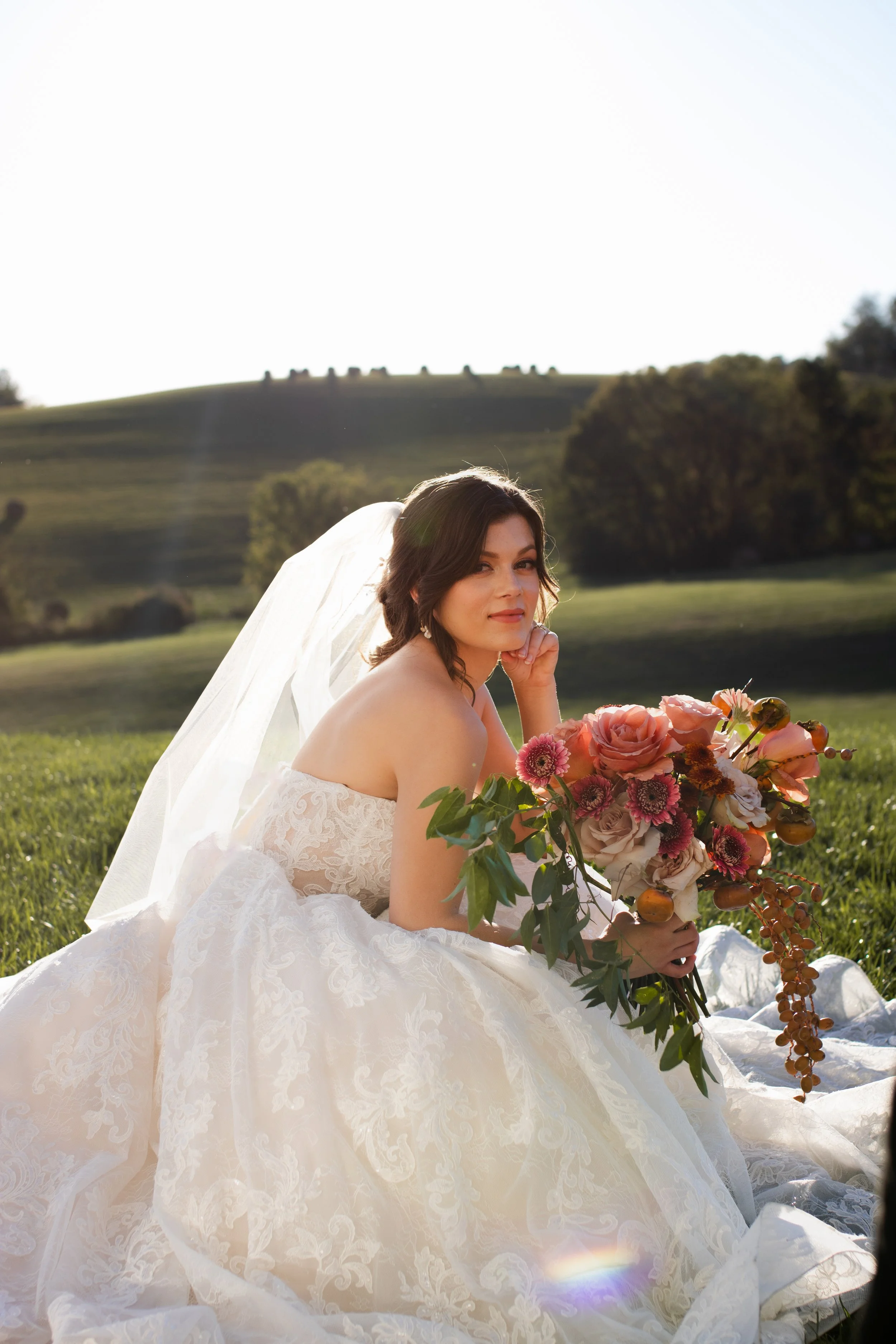
On the other hand, when your wedding photo timeline is thoughtfully planned, everything softens. You move through the day instead of racing through it.
And that’s when the real moments happen.
The Biggest Wedding Day Timeline Mistakes I See
After photographing weddings, there are a few patterns that show up again and again.
1. No Buffer Time
If your timeline is planned back-to-back with zero wiggle room, something will run late. It’s not pessimism — it’s weddings.
We always build in cushion time. Ten minutes here. Fifteen minutes there. It protects the flow of the day and keeps small delays from becoming big stress.
2. Overpacking the Day
Trying to squeeze in:
Full wedding party photos
Extended family photos
Bride and groom portraits
Detail shots
A champagne pop
A sparkler exit
And sunset photos across town
…all in a tight window is how the day starts feeling like a production schedule.
You don’t need more events. You need intentional space.
3. Underestimating Travel and Light
Travel takes longer than you think — especially with a wedding dress involved.
And light changes quickly. If sunset is at 7:42, that doesn’t mean we show up at 7:40 and hope for magic.
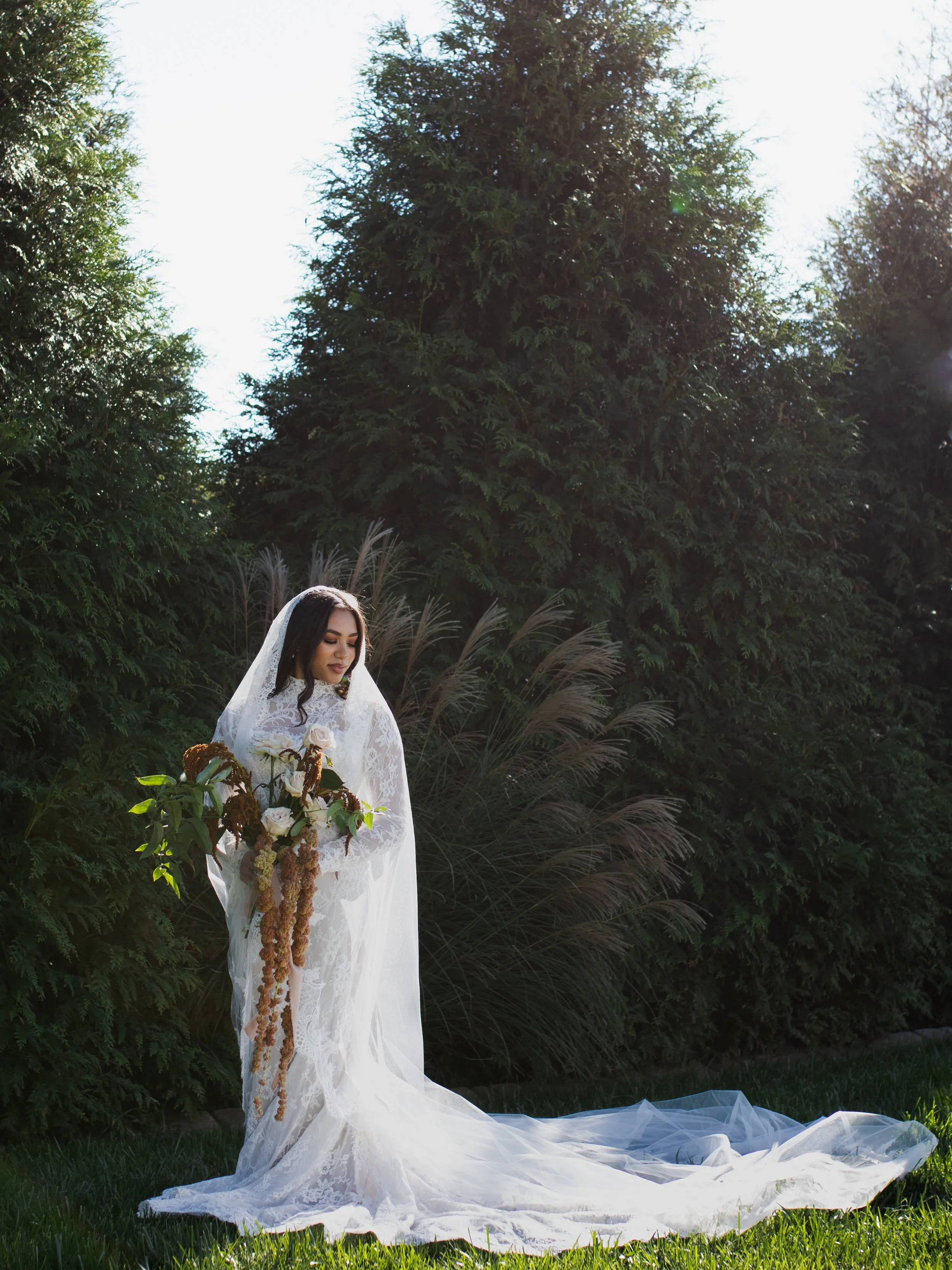
A thoughtful wedding photography timeline plans around light, not against it.
First Look vs. No First Look (There Is No Wrong Answer)
This is one of the biggest timeline decisions couples make.
And I want to say this clearly:
There is no “right” choice. Only what fits you.
First Look Pros:
More portrait time before the ceremony
A calmer timeline later in the day
A private moment together
First Look Cons:
You won’t see each other for the first time walking down the aisle
If you choose no first look:
The aisle moment is heightened and emotional
Portraits happen after the ceremony
The timeline needs to account for that compressed window
Both can lead to a stress-free wedding day when planned intentionally. My job is simply to guide you through the ripple effects of whichever you choose.
How Light Impacts Your Wedding Photo Timeline
Let’s talk about golden hour.
Golden hour is the soft, glowy light right before sunset. It’s flattering. It’s romantic. It’s the light most couples pin on Pinterest without realizing what time it actually happens.
Sunset changes based on season and location.
Your wedding photography timeline should always account for:
What time the sun sets
Where the sun falls at your venue
When we can step away for 10–15 minutes
Sometimes that means sneaking out during dinner for a quick sunset moment. Sometimes it means planning portraits earlier in winter months when sunset is surprisingly early.
Light isn’t everything — but it shapes the mood of your images more than any pose ever will.
Browse recent weddings.
Building Breathing Room Into Your Day
This is the part couples rarely think about.
Your timeline should include:
Buffer time
Transition time
Private time
Not every minute needs an assignment.
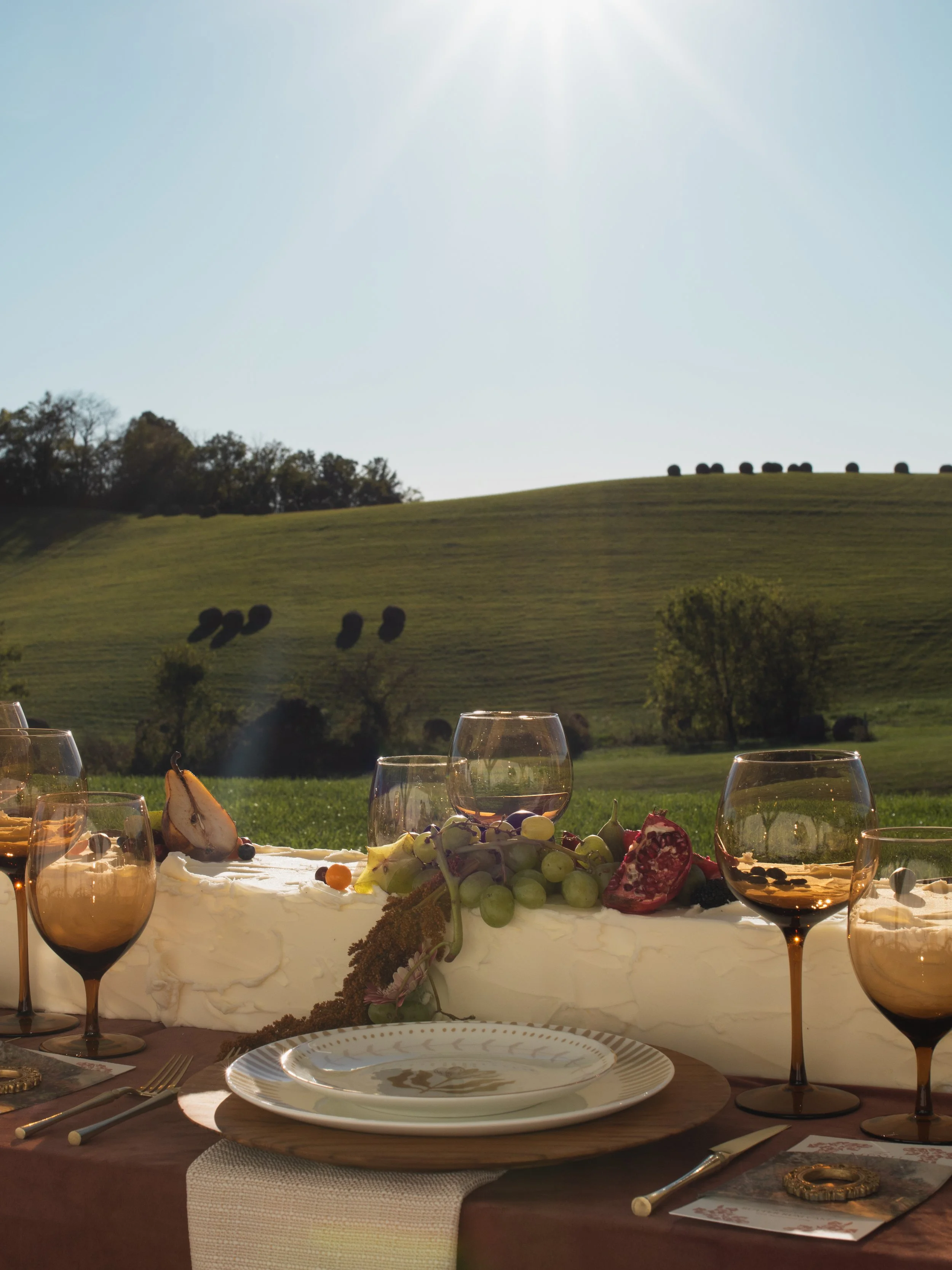
Some of the most meaningful images happen in the in-between moments — walking back down the aisle together, hugging your mom, taking a deep breath before entering your reception.
When your wedding day timeline allows space, those moments unfold naturally instead of being rushed through.
How I Help Couples Create a Calm Timeline
You don’t have to build this alone.
When you book with me, timeline guidance is part of the process. I help you:
Map your wedding photo timeline around light
Decide how much portrait time you truly need
Collaborate with your planner
Build in buffer time so the day feels steady
And on the wedding day itself, I step into calm leadership. I’ll gently guide when needed and step back when moments deserve space.
Your day should feel lived in — not micromanaged.
Learn more about my wedding experience.
Final Thoughts
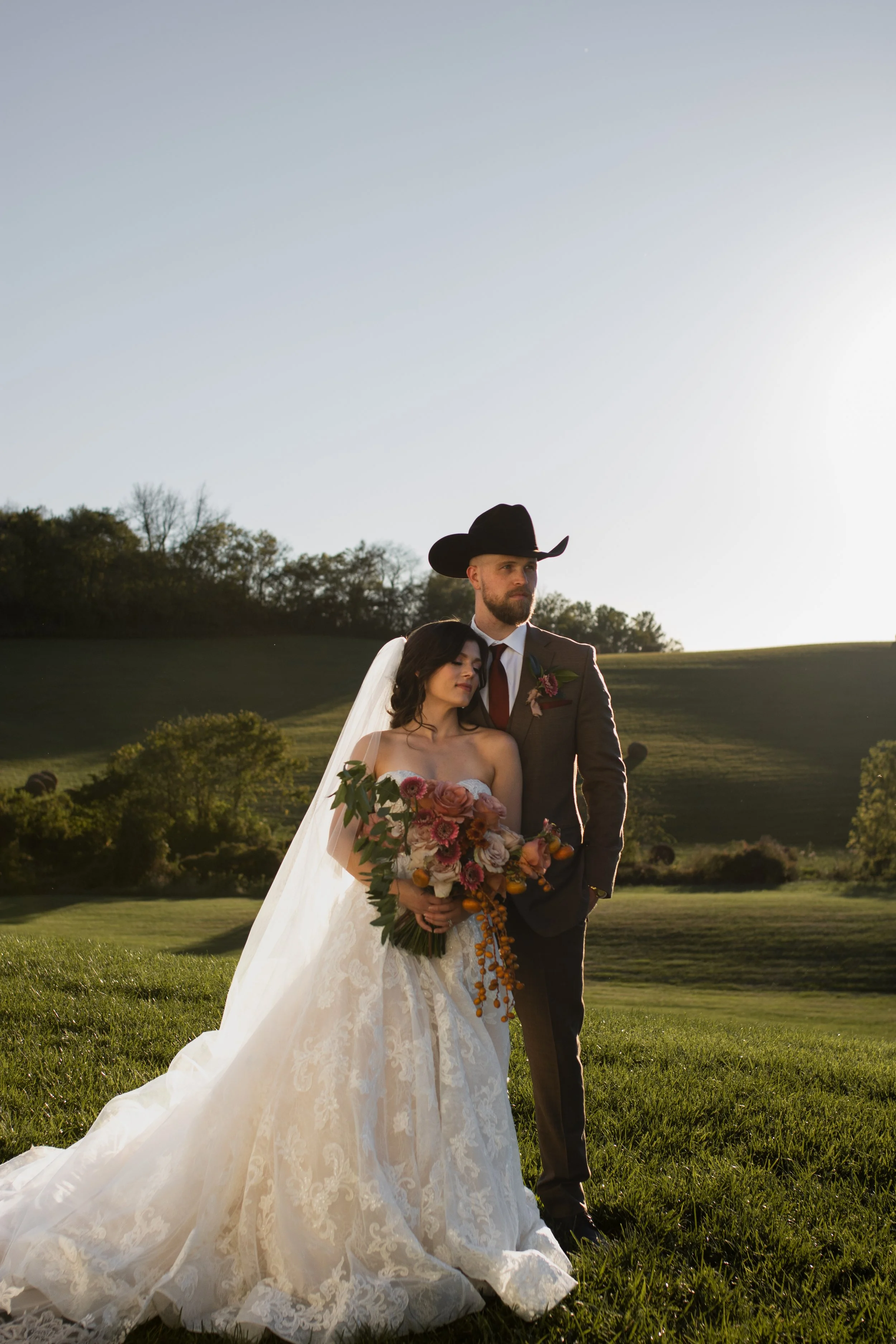
A wedding photography timeline shouldn’t rush moments. It should protect them.
When done well, it creates a stress-free wedding day that feels intentional, emotional, and deeply you.
If you’re planning your day and want photos that feel natural — not rushed — I’m now booking weddings and would love to help.